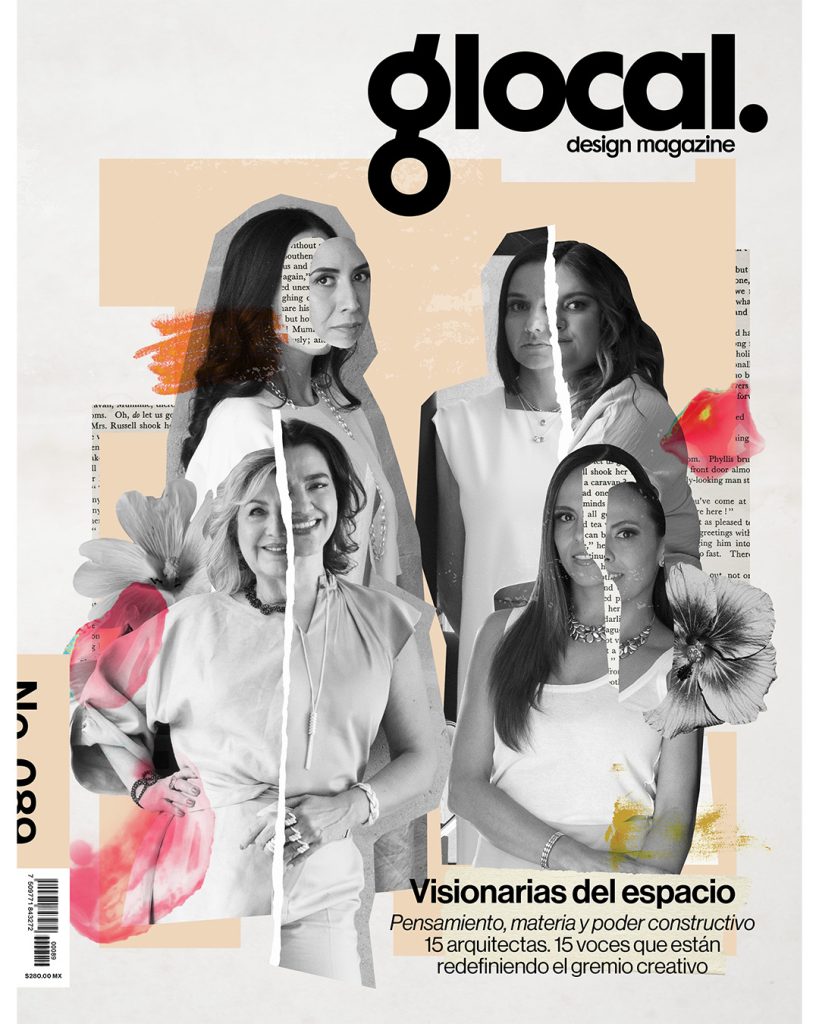
Architecture Beyond the Built Object
Formed at UNAM, the Academy of Architecture of Mendrisio, and holding a Master in Urban Design from Harvard GSD, Loreta Castro Reguera views architecture not as a standard desk job, but as a multifaceted way of inhabiting the world. Co-founding Taller Capital alongside José Pablo Ambrosi in 2010, her practice masterfully balances commercial real estate with deep urban research, driven by the belief that architects hold the superpower and the profound social responsibility to imagine a better future and actually make it happen.
Public Space as Hydrological Infrastructure
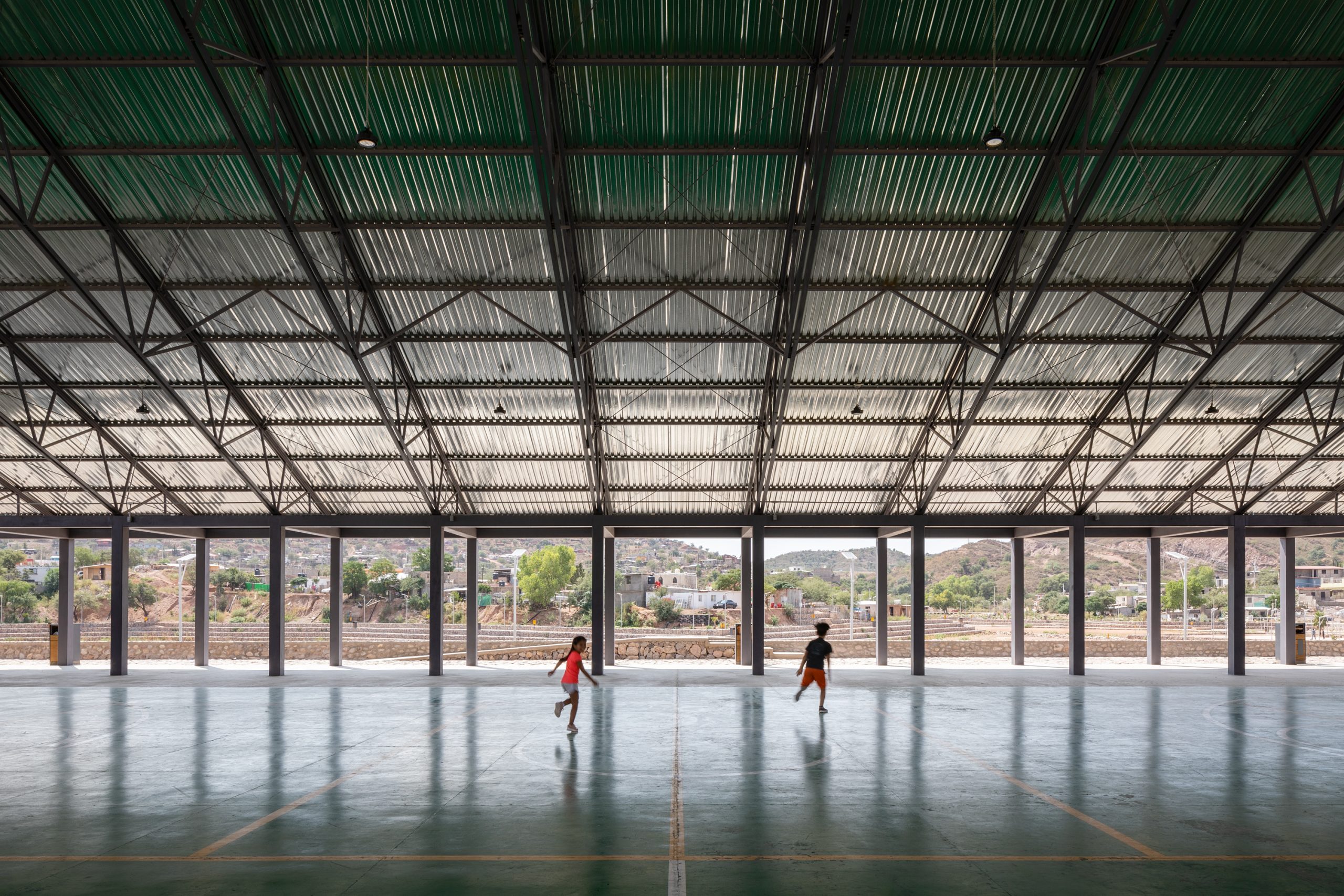
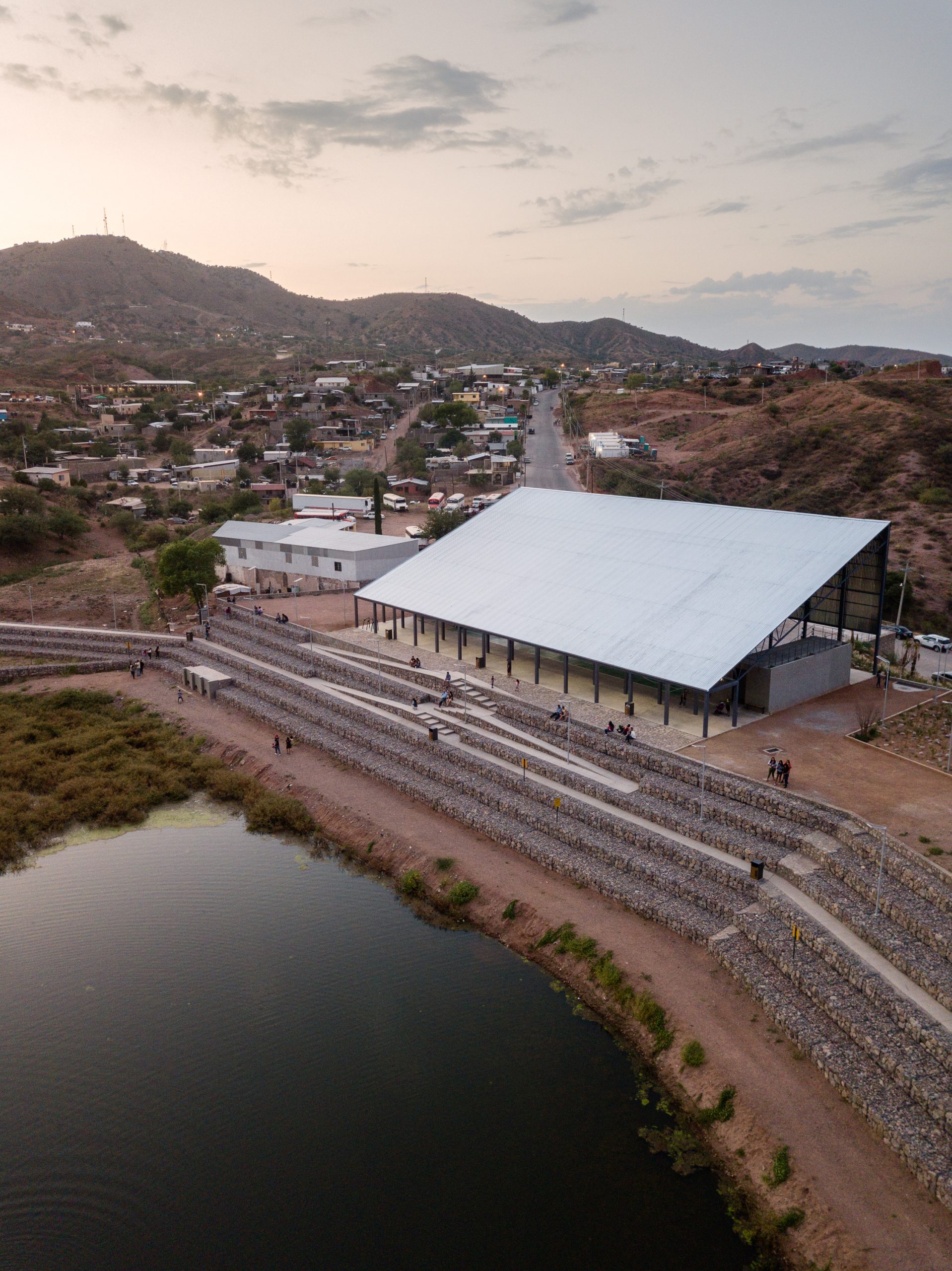
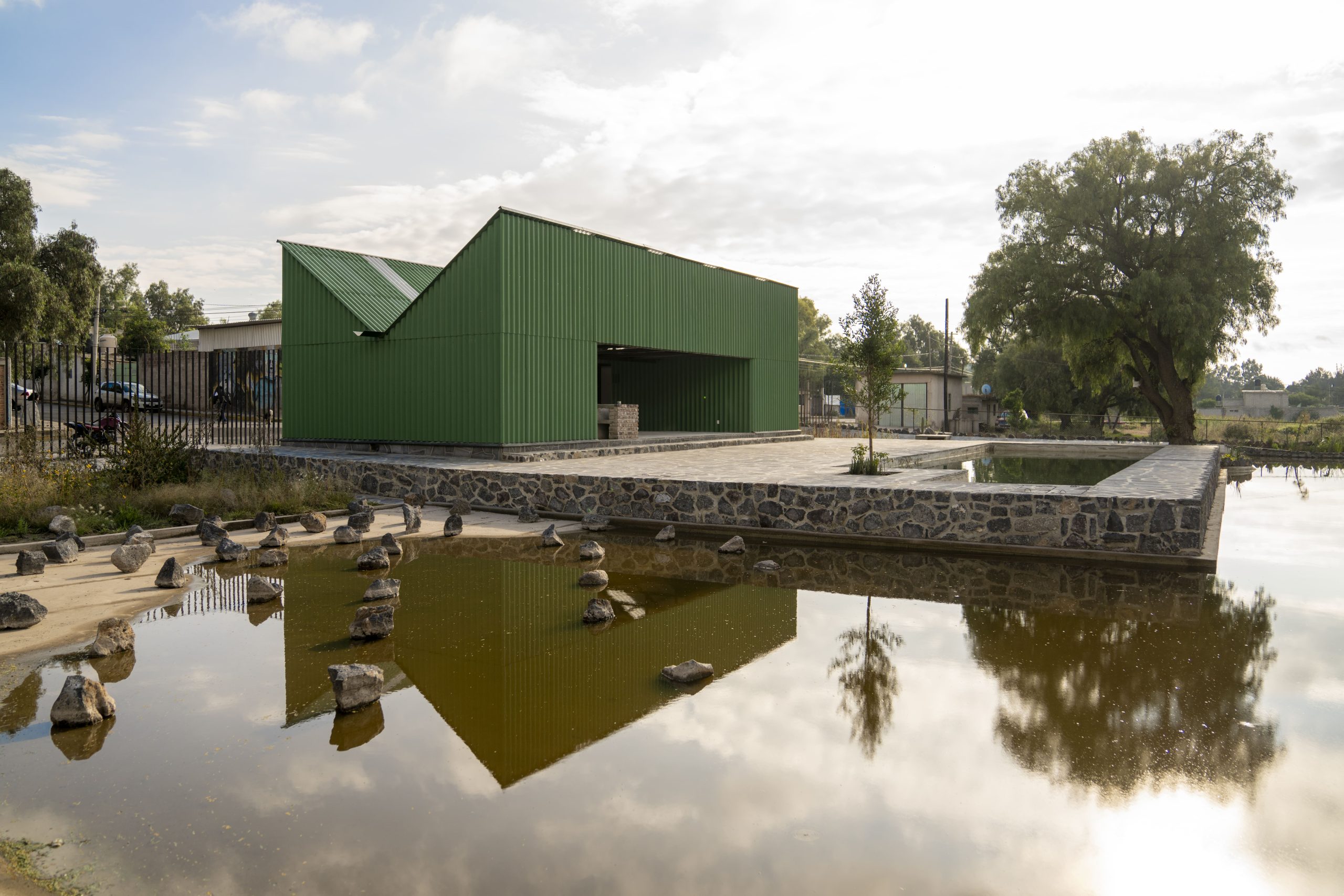
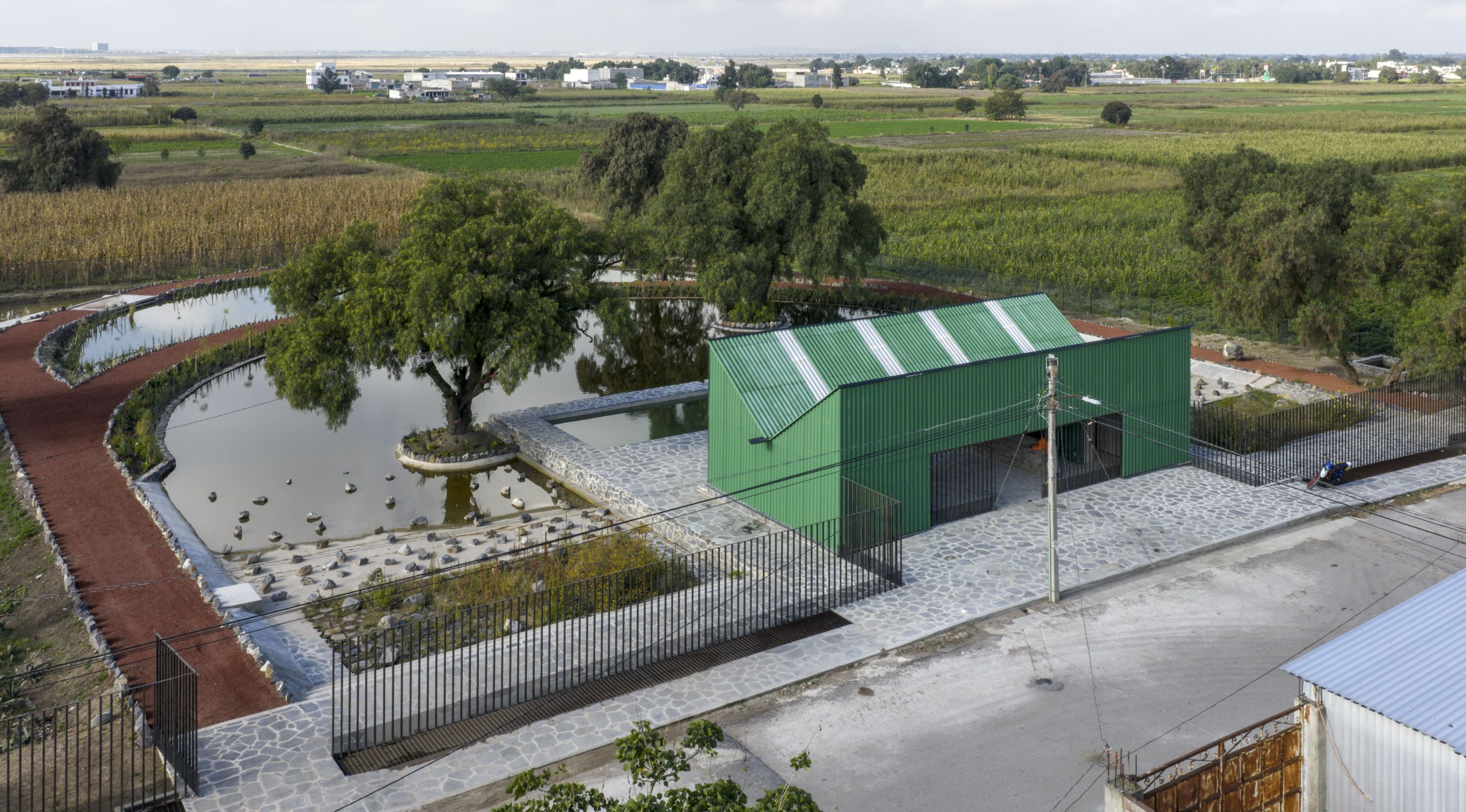
Steering away from superficial aesthetics, Castro Reguera treats urban design as a critical management tool, particularly in a complex environment like Mexico City and its conflict-ridden basin. Instead of treating public parks as mere green ornaments, Taller Capital conceives them as decentralized infrastructure capable of handling water sustainably, anchoring the deepest layers of the earth directly to the atmosphere to successfully rehabilitate fractured urban zones.
Collaborative Layering and the Feminine Strategy
Unlike traditional 20th-century architectural practices that imposed top-down ideas, Loreta approaches territories by listening to their environmental and social layers through intense dialogue, summarizing each project into a single, answered question about the site. This horizontal methodology reflects what she calls a “feminine strategy”—instead of competing head-on in a traditionally male-dominated professional path, she weaves parallel networks, using academic research and deep site investigation to open doors that the standard market often closes.
Academic Resilience and Creative Pauses
Over a 15-year career, navigating financial crises forced the studio to diversify its safety nets, leading Loreta to teach at UNAM’s Faculty of Architecture, UCLA, and Harvard GSD as both a survival mechanism and a space for intellectual validation. Balancing life as a mother, wife, and business partner, she finds a vital creative pause in the art of embroidery—a practice she considers a direct extension of her design thinking and a necessary antidote to the technical hardness of construction.
Designing a Purpose-Driven City
Deeply inspired by her mentor Peter Zumthor and artist Louise Bourgeois, Loreta’s ultimate goal transcends the accumulation of capital or built square meters; it centers on improving living conditions where her firm intervenes. For Taller Capital, success means crafting a more equitable city for the masses, stitching together better urban futures with the same patience, focus, and precision required of a meticulous, handmade embroidery.
Website: tallercapital.mx